Rubbish collection tips for Brent Street flats in Hendon
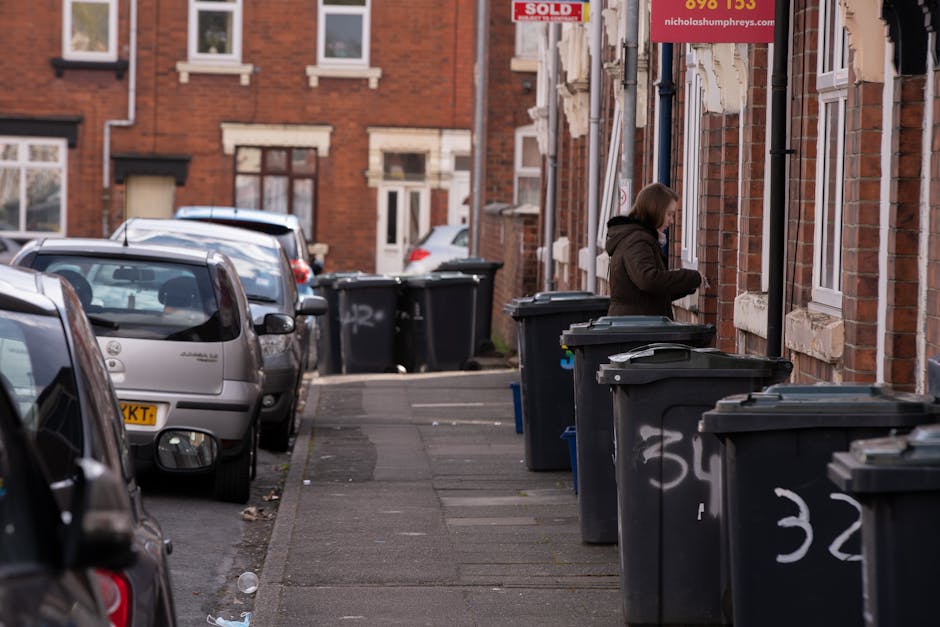
If you live in a flat near Brent Street in Hendon, rubbish collection can feel deceptively simple until the bags start piling up in a hallway, a bin store gets overfilled, or a bulky item needs moving down three flights of stairs. Then the whole thing becomes a bit of a juggling act. These Rubbish collection tips for Brent Street flats in Hendon are designed to help you handle everyday waste more cleanly, with less stress, and without making life harder for your neighbours or your managing agent.
In this guide, you'll find practical ways to store waste neatly, avoid common mistakes, work around limited access, and choose the right disposal method for flats, maisonettes, and apartment blocks. We'll also cover when it makes sense to use local collection services, how to prepare rubbish before it leaves the building, and which habits make a surprising difference in shared spaces. Truth be told, most rubbish problems in flats are not dramatic-they're just small issues that keep repeating.
One good routine can save a lot of hassle.
- Why rubbish collection matters in Brent Street flats
- How rubbish collection works in flat buildings
- Key benefits and practical advantages
- Who this is for and when it makes sense
- Step-by-step guidance
- Expert tips for better results
- Common mistakes to avoid
- Tools, resources and recommendations
- Law, compliance, standards and best practice
- Options, methods and comparison table
- Case study or real-world example
- Practical checklist
- Conclusion
- Frequently asked questions
Why Rubbish collection tips for Brent Street flats in Hendon Matters
Flats create a different rubbish problem from houses. There's usually less storage, more shared access, and a lot more chance that one person's sloppy bag turns into everyone's problem. In Brent Street, where many residents live in mixed-use buildings, converted houses, and purpose-built flats, the practical issues can stack up quickly: narrow entrances, shared bin areas, awkward stairwells, and busy service roads.
Good rubbish collection habits matter because they affect more than appearance. They influence hygiene, smell, pest risk, fire safety, neighbour relations, and how easy it is for collection crews or private removal teams to work efficiently. You know the scene: one black bag left next to the bins, then another, then suddenly the bin store looks like nobody owns the place. Nobody wants that.
There's also a local angle. Flat residents in Hendon often have to think a little harder about timing, access, and space. A missed bin day or an overloaded communal container can quickly create pressure. If you're trying to deal with larger items, or you need help clearing clutter from a compact flat, services like man and van or rubbish removal can make the process much easier than multiple trips to the kerb.
And there is a simpler truth too: when rubbish is managed well, the whole building feels calmer. Lighter, almost. Less awkward. That matters in a shared home.
How Rubbish collection tips for Brent Street flats in Hendon Works
For flats, rubbish collection normally depends on a mix of everyday household disposal, communal bin management, and occasional special removal for bulky items. The exact setup varies by building, but the basic logic is the same: keep waste separated, stored safely, and moved at the right time.
Most residents will deal with three broad types of waste:
- General household waste such as non-recyclable packaging, food-soiled items, and mixed rubbish.
- Recycling such as cardboard, plastic bottles, tins, cans, and clean paper, depending on the building's system.
- Bulky or special waste such as old furniture, white goods, mattresses, or renovation debris.
In a flat, collection works best when you think in layers. First, separate what can be recycled. Second, reduce odour and leakage. Third, get waste out of the flat before it becomes an indoor problem. Fourth, make sure anything too big, too heavy, or too awkward is handled properly instead of being left in hallways or dumped beside shared bins.
That final bit matters more than people think. A sofa in a corridor is not just inconvenient; it can block access and cause complaints fast. For those items, specialist disposal services such as mattress and sofa disposal or fridge and appliance removal are often a better fit than trying to improvise.
In practice, good rubbish collection in flats is a mix of routine and judgement. When to take things down. How to bag them. What to store. What to book out. Small decisions, really-but they add up.
Key Benefits and Practical Advantages
When rubbish is handled properly in Brent Street flats, the benefits are immediate and easy to notice. The building smells better. Shared spaces stay clearer. People trip over fewer things. And perhaps most importantly, you avoid that low-level tension that builds when waste starts to look unmanaged.
Here are the main advantages residents usually notice:
- Better hygiene - less leakage, fewer smells, and lower risk of pests.
- Safer communal areas - fewer bags in hallways and fewer obstacles near exits.
- Smoother collections - bins and waste points are easier to use when items are sorted properly.
- Less neighbour friction - nobody enjoys being blamed for overflowing bins.
- More efficient clearance - if you need a private collection, crews can work faster when waste is prepared neatly.
There's also a money angle, although it is not always obvious. If you prep waste properly, you may avoid repeat journeys, awkward loading delays, or paying for a larger service than you really need. For residents comparing disposal options, skip sizes and prices can be useful background reading because it helps you judge whether a small, medium, or larger solution is the better fit.
And for flat living, convenience really does count. If the lift is out. If the bin store is full. If you are carrying something awkward while avoiding the neighbour's bike, a pram, and a recycling crate, you'll quickly see why planning pays off.
Who This Is For and When It Makes Sense
This advice is for anyone living in or managing flats around Brent Street in Hendon, especially where rubbish collection is shared, restricted, or awkward to organise. That includes:
- tenants in small or medium-sized flats
- owners in converted houses and purpose-built apartment blocks
- landlords and letting agents managing move-outs
- property managers overseeing communal bin areas
- flat-sharers who generate more day-to-day waste than a single occupant
- residents clearing out clutter, furniture, or renovation leftovers
It makes sense to think seriously about rubbish collection when one of these situations crops up:
- the communal bins fill up too fast
- your flat has little or no outdoor storage
- you've got bulky items that won't fit in standard bins
- you're moving out and need a quick clear-up
- there's repeated mess in the bin area
- you want to avoid missed collections and awkward last-minute runs
It's also worth thinking ahead before a busy weekend, a tenancy change, or a tidy-up session that snowballs into a full clear-out. We've all had that moment where "just a few things" turns into five bin bags, an old chair, and a box of mystery cables. Happens fast.
Step-by-Step Guidance
If you want a cleaner, easier rubbish routine in a Brent Street flat, the best approach is simple and repeatable. Use this as a practical process rather than a one-off fix.
- Sort waste before it leaves the flat. Separate recycling, general waste, and bulky items. It saves time later and prevents contamination.
- Flatten cardboard and collapse packaging. In flats, bulky packaging takes up space very quickly. A few flattened boxes can make a surprising difference.
- Bag food waste securely. Tie it properly and keep it away from warm rooms if you can. A closed bag is much easier to live with than a half-open one.
- Check bin day timings. In shared buildings, timing matters. Put waste out too early and it creates clutter; too late and you miss the collection.
- Keep walkways clear. Never store rubbish in corridors, stairwells, or fire exits. That is one of those things that seems temporary until it is not.
- Move bulky items separately. For sofas, mattresses, appliances, and larger clear-outs, book a proper removal solution rather than hoping the bins will cope.
- Choose the right service for the job. A quick tidy-up may suit wait and load skip hire, while a larger project may suit domestic skip hire or even same day skip hire where urgency matters.
- Confirm access before booking. Check whether there is a lift, loading point, permit need, or narrow entrance. This avoids surprises on the day.
A good rule: the less mixed and messy the waste, the easier everything becomes. It sounds obvious, but in real life it saves time, arguments, and that unpleasant bin-store smell on a damp afternoon.
Expert Tips for Better Results
Small building habits often make the biggest difference. If you only remember a few tips, make them these.
1. Keep a "waste staging" spot inside the flat. Not a pile, not a dumping corner-just a small, tidy place where recycling, black bags, and bulky-item notes can wait until collection day. Even a plastic crate or a labelled bag can help.
2. Think about smell before it becomes a problem. In warm weather, waste can become unpleasant quickly. Rinsed containers, tied bags, and prompt removal are the boring little things that keep a flat comfortable. Boring, yes. Effective, absolutely.
3. Watch shared bin etiquette. If the communal bin lid won't close, that is usually a sign the area needs tidying or better scheduling. Don't push waste beside the bin unless your building rules specifically allow it. Most of the time, that just creates another mess.
4. Plan around your own routine. If you commute, work odd shifts, or have limited mobility, align disposal with the times you are actually home. That sounds basic, but it reduces missed collections and awkward last-minute runs.
5. Use the right disposal method for awkward items. Old appliances, mattresses, and construction waste behave differently. For example, builders' debris may be better handled through builders waste removal or construction waste disposal, while a flat renovation can call for more tailored handling.
6. Keep an eye on recycling rules in your building. Some properties are strict about what goes in mixed recycling. If in doubt, don't guess. Mis-sorted waste can cause whole containers to be rejected, which is annoying for everyone.
And one more: if you are dealing with a big clear-out, take photos first. Not because it's glamorous-far from it-but because it helps you estimate what size service you actually need. Saves a lot of back-and-forth.
Common Mistakes to Avoid
Most rubbish headaches in flats come from familiar, preventable mistakes. The good news? Once you spot them, they are easy to fix.
- Leaving bags in corridors - this blocks access and creates odour and fire-risk concerns.
- Mixing bulky waste with normal rubbish - it makes disposal slower and less efficient.
- Ignoring bin timing - too early can clutter shared spaces; too late can mean missed collection.
- Overfilling bags - split bags are messy, inconvenient, and hard to move safely.
- Guessing what can be recycled - if your building has a specific sorting system, follow it.
- Trying to move heavy items alone - it is not worth the strain, especially on stairs.
- Using the wrong service for the job - a sofa removal is not the same as general bagged rubbish.
One common issue in flats is "temporary" storage. A bag placed near the door becomes two bags. Then a box. Then a chair leg you meant to deal with last Tuesday. Before you know it, the space feels smaller, and the whole flat starts to feel cluttered. That creeping effect is real.
If you find your rubbish routine constantly slipping, the fix is usually not more effort. It is better structure.
Tools, Resources and Recommendations
You do not need a lot of equipment to manage flat rubbish well, but a few simple tools make life easier.
- Sturdy bin liners - choose bags that do not split under normal use.
- Reusable storage crates - useful for flattening cardboard or holding recyclables.
- Labels or marker pens - handy in shared households so everyone knows what goes where.
- Gloves - sensible for handling broken items or moving waste downstairs.
- Basic trolley or sack truck - helpful if your building has a lift or level access.
- Door mats or washable liners - useful near a storage point to catch drips or dirt.
For larger or more awkward items, look at the service that fits the actual material. Household clutter may suit house clearance, garage-style overflow may suit garage and loft clearance, and business or landlord clear-outs may benefit from office clearance or commercial skip hire where relevant.
If your project includes mixed waste streams, it can also help to understand what can safely go together. The page on what can go in a skip is useful because it helps prevent the all-too-common mistake of filling a container with the wrong materials. That bit matters more than people expect.
Finally, if sustainability matters to you, ask whether the waste route emphasises sorting and recycling. Many residents now prefer to keep disposal practical but responsible, which is fair enough.
Law, Compliance, Standards, or Best Practice
For flat residents, the main thing is to follow building rules, avoid unsafe storage, and use licensed waste services where required. You do not need to become a legal expert, but a few sensible principles help keep you on the right side of common expectations.
First, do not leave rubbish in shared escape routes, stairwells, or fire exits. Even if it is only for a few hours, it can create avoidable risk and usually breaches building policy. Second, dispose of waste responsibly and avoid fly-tipping, which is serious business and not worth the shortcut. Third, if you are hiring a private service, check that the company treats waste handling, transport, and disposal properly.
For skips and larger waste containers, access rules matter. Some locations require a permit or similar approval for placing a container on public land. If you are not sure whether your building or street needs one, skip permits and skip hire permits are useful reference pages. Not every flat will need that route, of course, but it is better to check than assume.
It is also sensible to use a provider that takes safety seriously. Pages such as health and safety policy, insurance and safety, and recycling and sustainability give reassurance about how waste is handled. In a shared building, that reassurance matters. Nobody wants a shortcuts-and-hope approach.
If you are disposing of items that may be hazardous, such as chemicals, some electrical components, or materials that need special handling, use a suitable route and do not mix them into general waste. When in doubt, pause and check. That one small pause can save a lot of trouble.
Options, Methods, or Comparison Table
There is no single "best" rubbish solution for every Brent Street flat. The right choice depends on volume, access, timing, and what you are throwing away. Here is a simple comparison to help.
| Method | Best for | Strengths | Trade-offs |
|---|---|---|---|
| Regular communal bins | Everyday household waste and recycling | Simple, familiar, usually cheapest | Can fill quickly in busy buildings |
| Wait and load | Quick clear-outs, limited space, no room for a skip | No container left outside, efficient for access-limited flats | Needs good timing and waste ready to load |
| Domestic skip hire | Larger clearances and mixed household waste | Good capacity, flexible for bigger jobs | May need space and possibly permits |
| Man and van removal | Bulky items, furniture, or awkward loads | Hands-on help, useful for stairs and heavier items | Usually best for smaller to medium loads |
| Specialist item removal | Appliances, mattresses, sofas, or hazardous materials | Safer and more appropriate for specific items | Needs item-specific booking and preparation |
For many flat residents, the sweet spot is either a targeted removal service or a compact solution that avoids clogging up the street. If your building has tight access, something like enclosed and lockable skip hire may also be worth considering where security or contained waste storage is important.
Case Study or Real-World Example
Here's a realistic example. A resident in a Brent Street flat is moving out after two years and has accumulated a mix of cardboard, a broken bedside table, two bags of general rubbish, and an old mattress. The flat is on the second floor, with a narrow stairwell and no private garden. The communal bins are already near capacity.
If they try to do everything through the normal bins, the process becomes messy and slow. The cardboard takes up too much space, the mattress will not fit, and the broken furniture is awkward to carry down the stairs. They might even end up storing items in the hallway for a day or two, which is never ideal.
A smarter approach would be:
- flatten and separate all cardboard first
- bag general waste securely
- book specialist disposal for the mattress and furniture
- move all items to a single access point before collection
- choose a service that fits stair access and timing
That approach saves time and reduces friction with neighbours. The flat is cleared more cleanly, the waste leaves in one go, and the resident avoids a chain of half-finished trips. Small win, but a real one.
This is where services like same day skip hire or book online can be especially useful if the move is tight on time and you need something arranged quickly.
Practical Checklist
Use this checklist before collection day or before booking a removal service. It keeps things tidy and avoids silly last-minute issues.
- Have I sorted recycling from general rubbish?
- Are all bags tied securely and not overfilled?
- Have I flattened cardboard and compacted packaging?
- Do I know where waste is allowed to be stored in the building?
- Have I checked the bin day or collection time?
- Are bulky items booked with the right disposal service?
- Have I confirmed access, stairs, lift use, or parking restrictions?
- Is anything hazardous being kept separate?
- Have I avoided leaving anything in corridors or fire routes?
- Do I need help from a specialist rubbish or clearance team?
Quick takeaway: in flats, rubbish collection is rarely about one big decision. It is about a dozen small ones done properly. Keep things sorted, keep pathways clear, and match the disposal method to the item. That alone solves most problems.
Conclusion
Good rubbish collection in Brent Street flats comes down to planning, timing, and choosing the right disposal route for the space you actually live in. When you are working with limited storage, shared bins, and awkward access, little improvements make a big difference. Neater bags, clearer sorting, smarter booking, less stress. It's not complicated, but it does need a bit of consistency.
If you are dealing with a straightforward tidy-up, keep it simple and stay on top of collection days. If you are facing bulky waste, a move-out, or a deeper clear-out, use a service that fits flat living instead of forcing the issue. That way, your home stays more comfortable, your shared spaces stay clearer, and everyone has a better day for it.
Get a free quote today and see how much you can save.
And if you take only one thing from this guide, make it this: a calm bin area is never an accident. It is usually the result of a few careful habits done quietly, week after week.
Frequently Asked Questions
What is the best way to handle rubbish in Brent Street flats?
The best approach is to sort waste before it leaves your flat, use the correct communal bins where possible, and book a specialist removal service for bulky or awkward items. That combination keeps things simple and avoids pile-ups in shared spaces.
How do I stop my flat from smelling of rubbish?
Use sturdy bin liners, tie bags properly, rinse food containers when needed, and avoid storing waste indoors for too long. In warmer weather, take rubbish out more often if your building allows it. Small habits make a big difference here.
Can I leave rubbish outside my flat door for collection later?
Generally, that is a bad idea in shared buildings because it can block access and create complaints. Corridors and stairwells should stay clear. If you need to remove waste later, keep it inside until collection time or use a booked service.
What should I do with a mattress or sofa from a flat?
Use a specialist disposal service rather than trying to fit it into standard bins. Mattresses and sofas are bulky, awkward, and often difficult to move through stairs or narrow doorways. Planning the collection around access is the key.
Do I need a permit for a skip near my flat in Hendon?
Sometimes, yes, depending on where the skip will be placed. If it is on public land or a controlled area, a permit may be required. It is sensible to check the relevant permit information before booking so there are no surprises.
What is the difference between rubbish removal and skip hire?
Rubbish removal usually means a team collects and loads the waste for you, which is handy for flats and limited access. Skip hire means a container is delivered for you to fill, which can suit bigger jobs. The best choice depends on space, volume, and timing.
How can I manage rubbish if my flat has no outside space?
Focus on compact storage inside, regular sorting, and prompt disposal on collection day. For bulky items, use a service that collects directly from the flat or building entrance. A no-outside-space flat often benefits most from a planned, not improvised, approach.
What should be recycled in a flat building?
That depends on the building's rules and collection system, but clean cardboard, paper, tins, cans, and certain plastics are commonly accepted. Always follow the instructions for your building rather than guessing, because mixed contamination can spoil the whole load.
Is same-day rubbish collection possible for flats?
Yes, in some cases. Same-day collection can be useful when you are moving out, dealing with a sudden clear-up, or simply need the space back quickly. Access details should be confirmed early, especially if the flat is upstairs or parking is tight.
What items need special disposal in a flat?
Appliances, mattresses, large furniture, sharp materials, and anything potentially hazardous may need specific handling. It is better to separate those items and choose the right removal route than to mix them into standard rubbish bags.
How do I choose the right rubbish service for a small flat?
Start with the type and volume of waste, then think about access. If you only have a few bulky items, a man-and-van style collection may suit you. If you have more general waste or a bigger clear-out, a skip or wait-and-load option may be more practical.
What is the biggest mistake people make with flat rubbish collection?
The biggest mistake is leaving it too late. Once rubbish starts building up, it becomes harder to sort, harder to carry, and easier to ignore. A little consistency is far easier than a major catch-up job later on.